Table Of Content
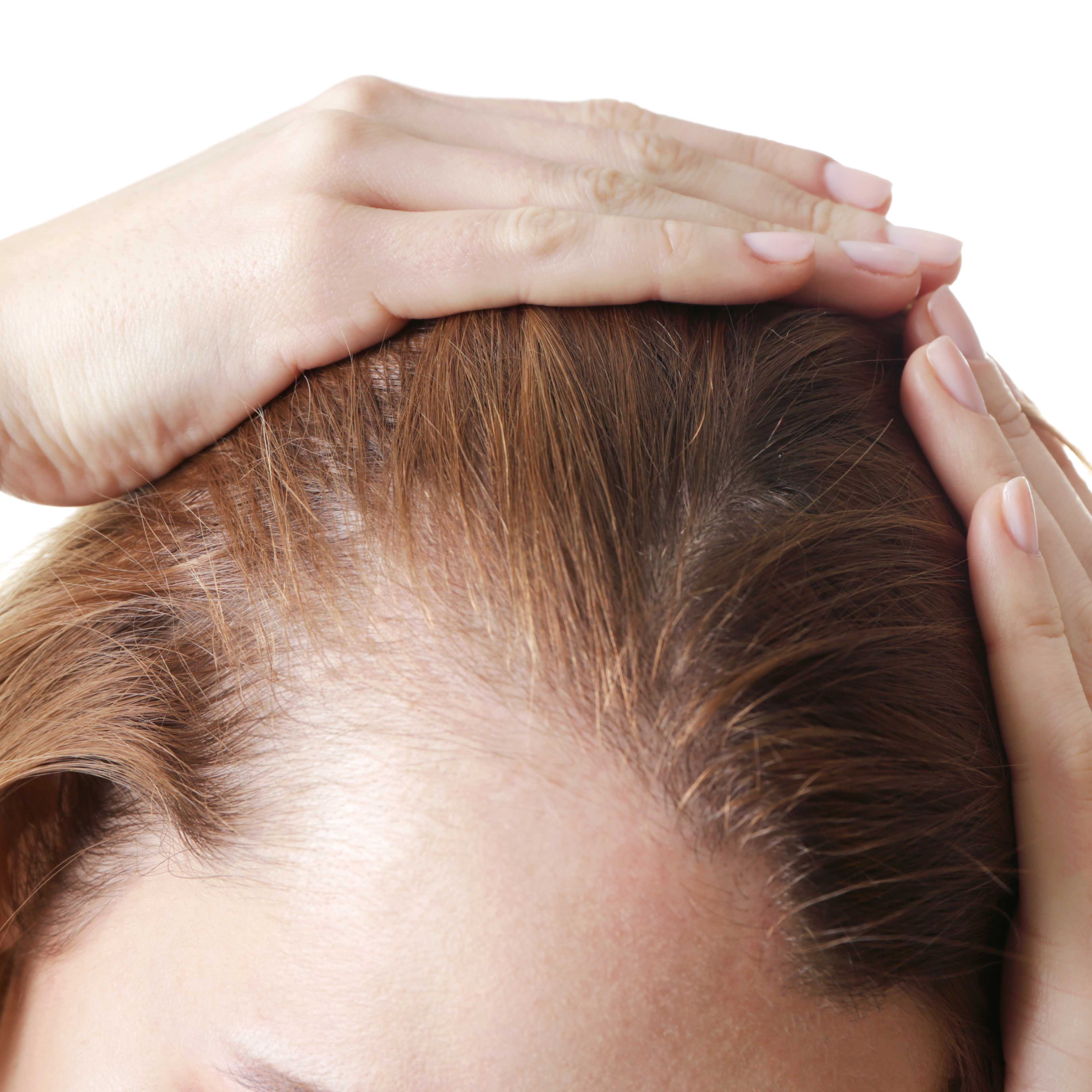
The sooner you get treatment, the more effective it’ll be. In addition, a healthcare provider might recommend forms of light therapy like using the HairMax Lasercomb®. Another FDA-approved laser product is the Theradome LH80 PRO® helmet and low-light laser helmets and caps.

Diet And Nutrition
Most baldness is caused by genetics (male-pattern baldness and female-pattern baldness). Early treatment of a receding hairline (frontal fibrosing alopecia) might help avoid significant permanent baldness. The cause of this condition is unknown, but it primarily affects older women. The most common cause of alopecia is an inherited condition called male- or female-pattern hair loss.
How do dermatologists find out what’s causing hair loss?
Advanced treatments are available for more serious hair loss. SELF does not provide medical advice, diagnosis, or treatment. Any information published on this website or by this brand is not intended as a substitute for medical advice, and you should not take any action before consulting with a healthcare professional. When these flakes mix with the oil that’s produced by the scalp, they can clog your follicles and impair the hair’s nutrient supply, which ultimately weakens its structure. Victoria Barbosa, MD, is a board-certified dermatologist. She provides specialized care for a broad range of skin and hair conditions.
Join a support group
If you often wear a hairstyle like braids or a tight bun that puts prolonged strain or stress on the hair follicle, that can cause a type of permanent hair loss called traction alopecia. Female pattern baldness is largely genetic, affecting hair along the top of a woman’s head. Research is moving quickly and there are more treatments than ever before.
Frontal fibrosing alopecia
At 51, Gabrielle Union Opens Up About Hair Loss in Raw Interview - Prevention Magazine
At 51, Gabrielle Union Opens Up About Hair Loss in Raw Interview.
Posted: Wed, 22 Nov 2023 08:00:00 GMT [source]
For women who are experiencing a receding hairline (frontal fibrosing alopecia), talk with your doctor about early treatment to avoid significant permanent baldness. Many people think that hair loss only affects people assigned male at birth (AMAB). However, studies show that more than 50% of people assigned female at birth will experience noticeable hair loss. The most significant cause of hair loss in women is female-pattern hair loss (FPHL). This affects about 30 million people in the United States.
It’s available over-the-counter—generically and under the brand name Rogaine—in both 2% and 5% formulations. Unlike male-pattern balding, women often experience an overall thinning, which maintains the normal hairline.’ Explains Dr Balwi. Recent studies have linked the prolonged use of 5mg finasteride and 0.5mg dutasteride to alarming health complications in men, including hyperglycemia and insulin resistance. There is also evidence to suggest that sexual dysfunction is another adverse effect of men taking these medications, according to a 2019 study.
When — and how — should you be screened for colon cancer?
Your hair can regain its usual fullness 6 to 9 months after childbirth. It usually happens when you're in your late 50s or 60s. But you may start to notice it as early as your late teens -- and the earlier it starts, the more serious it tends to be. Hormone changes during menopause can also contribute to this type of baldness.
Changing your hair care (or hairstyle) may help
If hair loss is affecting your relationship with your partner, going to therapy or couples counselling may help. Discuss your hair loss with your friends, family and loved ones, preferably early on. Let them know how you feel about it and what kind of support you need. It's also important to address the psychological impact of hair loss. If you've lost your hair, even temporarily, life will be easier if you can accept what's happened and learn to live with your altered appearance.
The surprise supplement that transformed my thinning hair - The Telegraph
The surprise supplement that transformed my thinning hair.
Posted: Mon, 01 Apr 2024 07:00:00 GMT [source]
Corticosteroids, such as hydrocortisone and prednisone, are commonly prescribed (topically, orally, or through injections) to both alleviate inflammation and curb the autoimmune response. “These medications help suppress the immune system’s overactivity and encourage hair regrowth,” Dr. Mitchell explains. The FDA also recently approved a new drug for severe cases of alopecia areata called Litfulo (generic name, ritlecitinib). The medication stimulates hair growth by quieting part of the immune system. Relaxers, dyes and other chemicals can strain and damage hair shaft.
If your haircare practices are the culprit, you’ll see breakage throughout your hair. However, isolated breakage in one spot can be a sign of alopecia areata or CCCA. It could be either physical stress, such as a broken bone, or emotional stress. In 2020, we all had a lot of emotional stress and we saw a huge increase in the number of people with TE who suddenly started losing clumps of hair. Stress also can exacerbate forms of hair loss like alopecia areata, an autoimmune disease.
“Opt for hairstyles that minimize tension on the hair follicles, such as loose braids, buns or ponytails,” advises Gaboardi. “Avoid tight hairstyles and hair accessories that pull on the hair and handle your hair with care to minimise breakage and damage. Hair loss, known medically as alopecia, is fairly common. It's estimated, for instance, that around half of women aged 70 years or over experience female-pattern baldness – the most common type of hair loss, which is thought to be inherited.
"People think of hair loss or pattern baldness happening only to men," says Dr. Dawn Davis, a Mayo Clinic dermatologist.. And while the signs might not be as obvious as in men, about 55% of women experience some hair loss by the time they're 70. Treatments to prevent or stop it can help many women who are losing their hair. When it comes to hair loss, you'll find a lot of misinformation. For instance, do you know the signs of hair loss in women?


No comments:
Post a Comment